2026-07-16
How many times can a tyre be retreaded? Casing life and the economics of retreading
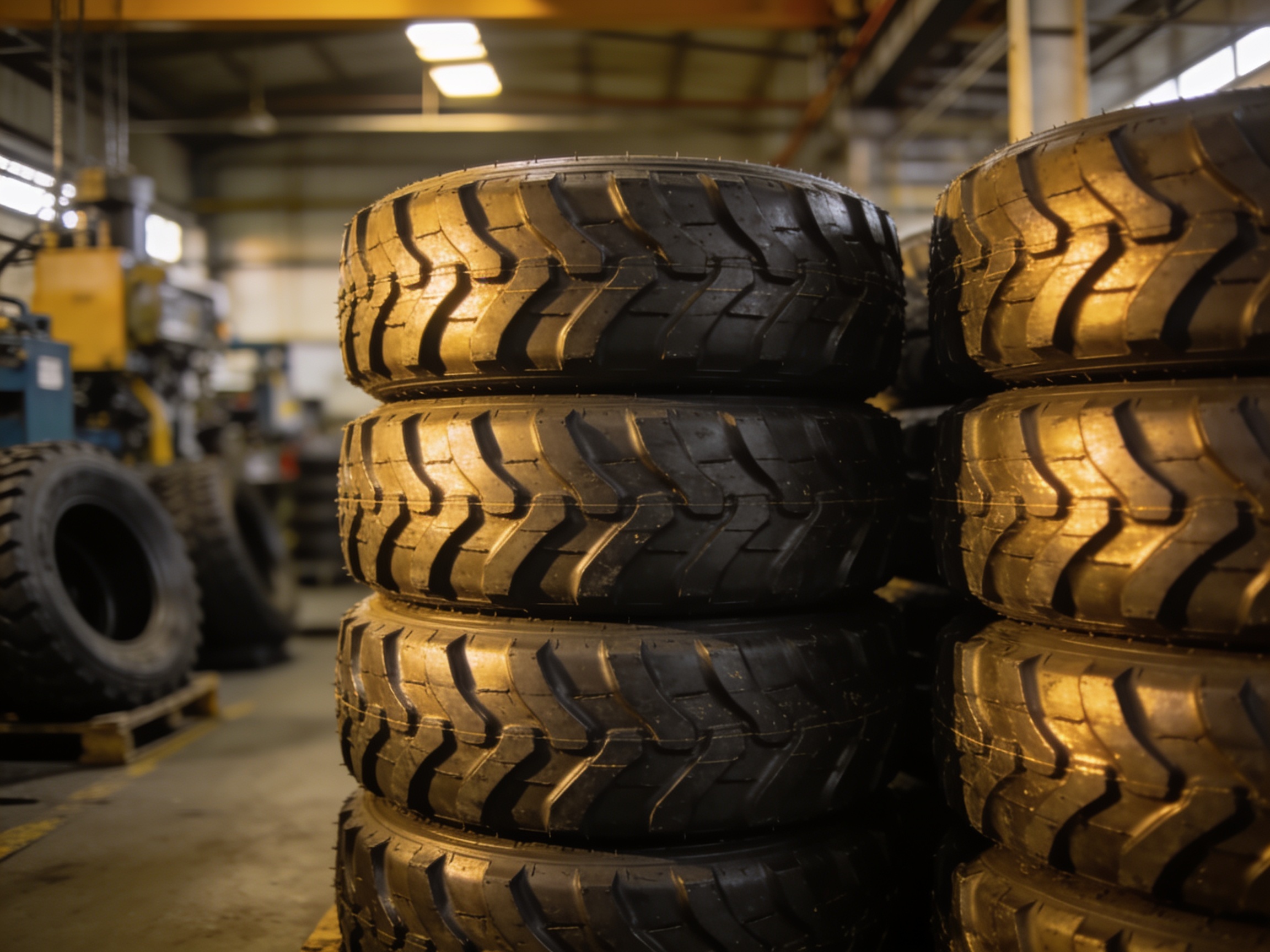
Short answer: a sound, well-maintained truck and bus (TBR) casing can usually be retreaded 1–3 times, and over its life a good casing can deliver 3–6 times the mileage of a single new tyre. Earthmover (OTR) casings are thick and high in value, so they are often worth retreading even more. How many times your own casings make it depends on one thing: the condition of the casing, the cord-ply body underneath the tread.
Why the casing outlasts the tread. What wears away on the road is mainly the tread rubber. As long as the casing has no hidden damage and the cords are intact, it still has life left. The industry rule of thumb is that a heavy truck casing lasts about 3 times as long as its tread, an aircraft casing about 6 times, and a passenger car casing about the same as its tread. That is why truck, bus and aircraft tyres are retreaded as a matter of routine, while car tyres rarely are.
What stops a casing from being retreaded again. Every retread cycle ends the same way: the casing goes back to inspection, and it either passes or it is scrapped. It is scrapped when you find:
1. Broken cords or extensive body damage, so the casing has lost its structural strength.
2. Serious sidewall bulges, cuts, or signs that the tyre was run flat and crushed.
3. Damaged or badly corroded bead wires.
4. Large areas of internal separation, or water ingress that has rusted the cords.
5. Too many injuries: as a rule, more than 5 wounds, a single wound longer than 5 cm, or damage to the bead area or the cord plies.
Casing age matters too; an old casing that is visibly degraded is not worth the material. Shops check by tapping and listening, and a tyre spreader and a spark tester make the call more reliable.
How the retread itself decides the next one. A casing that passes inspection can still be ruined in the plant. Buff too deep and you cut into the cords; buff too shallow and the new tread will not bond. In the curing chamber, the cushion gum only cures fully at around 115°C, held to about ±1°C, with stable pressure: roughly 8 kg in the tube, 4 kg in the envelope and 6 kg in the chamber, to within 0.1–0.5 kg. When temperature or pressure drifts, trapped air causes blistering and separation. A tyre that separates on the road does not come back for another retread.
The economics. Retreading a tyre costs about 30–50% of a new one and uses roughly a third of the raw material, while mileage comes close to new. Every extra retread spreads the cost of the casing further. Internationally, about one tyre is retreaded for every 10 new tyres produced, and in industrially advanced countries the ratio is 5:1 or better.
Getting more retreads from every casing. Three habits make the biggest difference in a plant: inspect every casing before it is buffed, not after; buff to the correct radius without cutting into the cords; and keep curing temperature and pressure stable on every load.
YTON has built tyre retreading equipment since 2000, covering inspection, buffing, building and curing, with training included. Tell us which tyres you retread and how many a day at mingtong@yton.cc, and we will suggest a configuration.