2026-07-24
Which casings can't be retreaded? What to check before you start
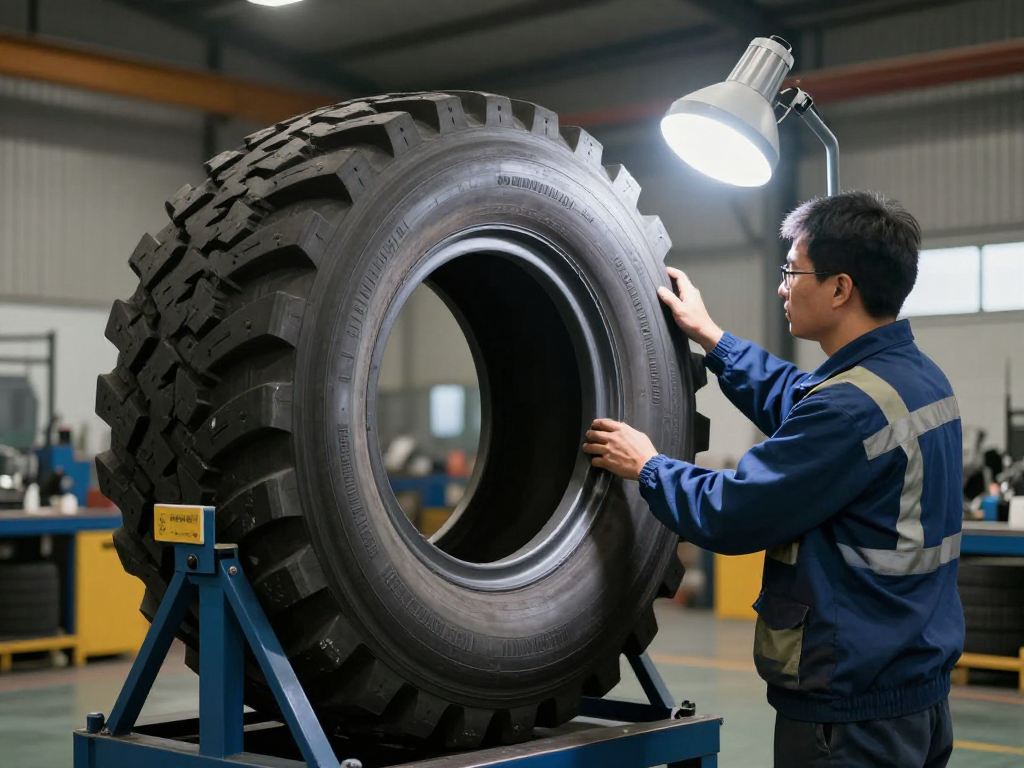
The worst thing for a retread plant is not a lack of orders - it is retreading a casing that should never have been retreaded. Material and labour go in, and the finished tyre may still fail. That is why casing inspection is the first gate on the line, and the cheapest one to get right.
What usually cannot be retreaded? First, broken cords or extensive body damage, where the casing has lost its structural strength. Second, serious sidewall bulges, cuts or evidence of run-flat crush damage. Third, damaged or badly corroded bead wires. Fourth, large-area separation inside, or water ingress that has rusted the cords. Fifth, casings that are simply too old and visibly degraded.
How do you find these? Eyes alone are not enough, because much of the damage is internal. The proper routine is a visual check of the tread and sidewalls, then an inside check of the inner liner for hidden damage and separation. Experienced operators judge a casing by tapping it and listening, and a tyre spreader and a spark tester make that judgement more reliable.
Get this gate right and everything downstream - buffing, building, curing - is worth doing. Yield goes up, and customer complaints go down.
YTON supplies equipment for the whole retreading process plus training, helping newcomers build a standard workflow from inspection through curing.