2026-01-08
How Much Does Retreading One Tire Save? The Circular-Economy Math
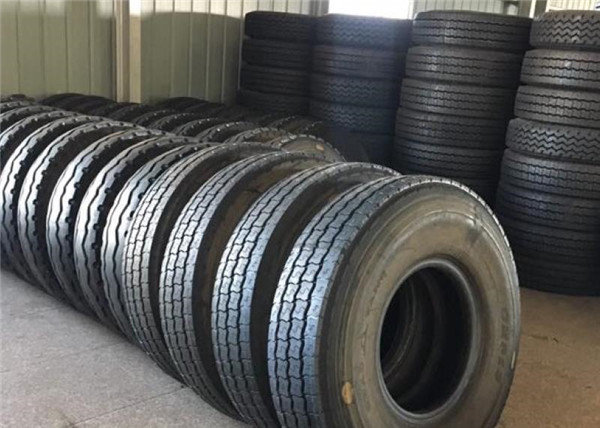
At its core, tire retreading gives a sound casing a second — or even third — life. Compared with making a new tire, retreading one saves significant raw material such as rubber and steel, plus the energy to make them — a real circular-economy gain.
The numbers tell it: a vehicle tire's casing usually far outlasts its tread — a truck casing lasts about 3 times its tread life, an aircraft casing around 6 times. When the tread wears out the casing is often still sound, and inspection, buffing, repair, building, and curing renew the worn tread so the casing's value is fully used. It is widely held that retreading a tire uses about one-third of the raw material of a new one and costs 30–50% as much, while sharply reducing scrap-tire generation and disposal pressure.
As for room to grow: internationally the ratio of new to retreaded tires is about 10:1, and 5:1 or better in industrially advanced countries, whereas China's ratio has long been lower — leaving plenty of headroom for retreading to spread. As a retreading equipment maker, YTON hopes reliable machines help more plants make this circular math work. Talk to us about retreading processes and equipment options.